

There are no products in your cart
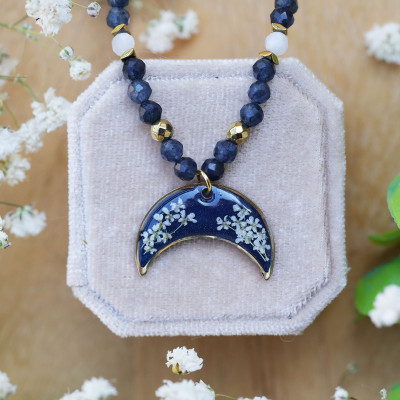
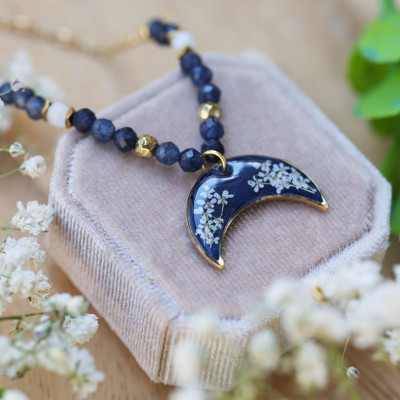
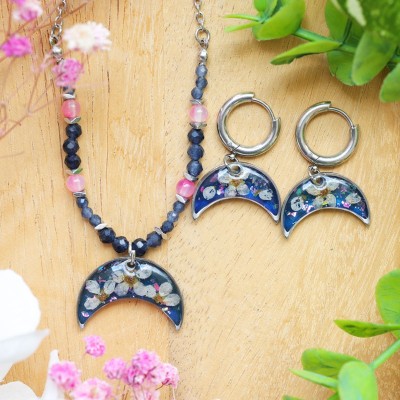
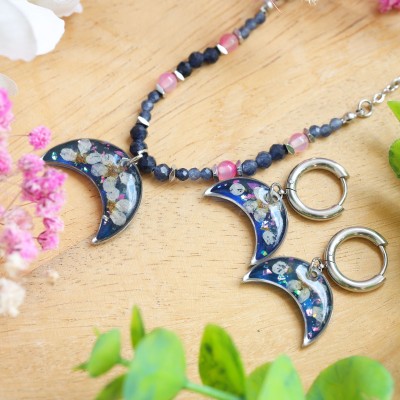
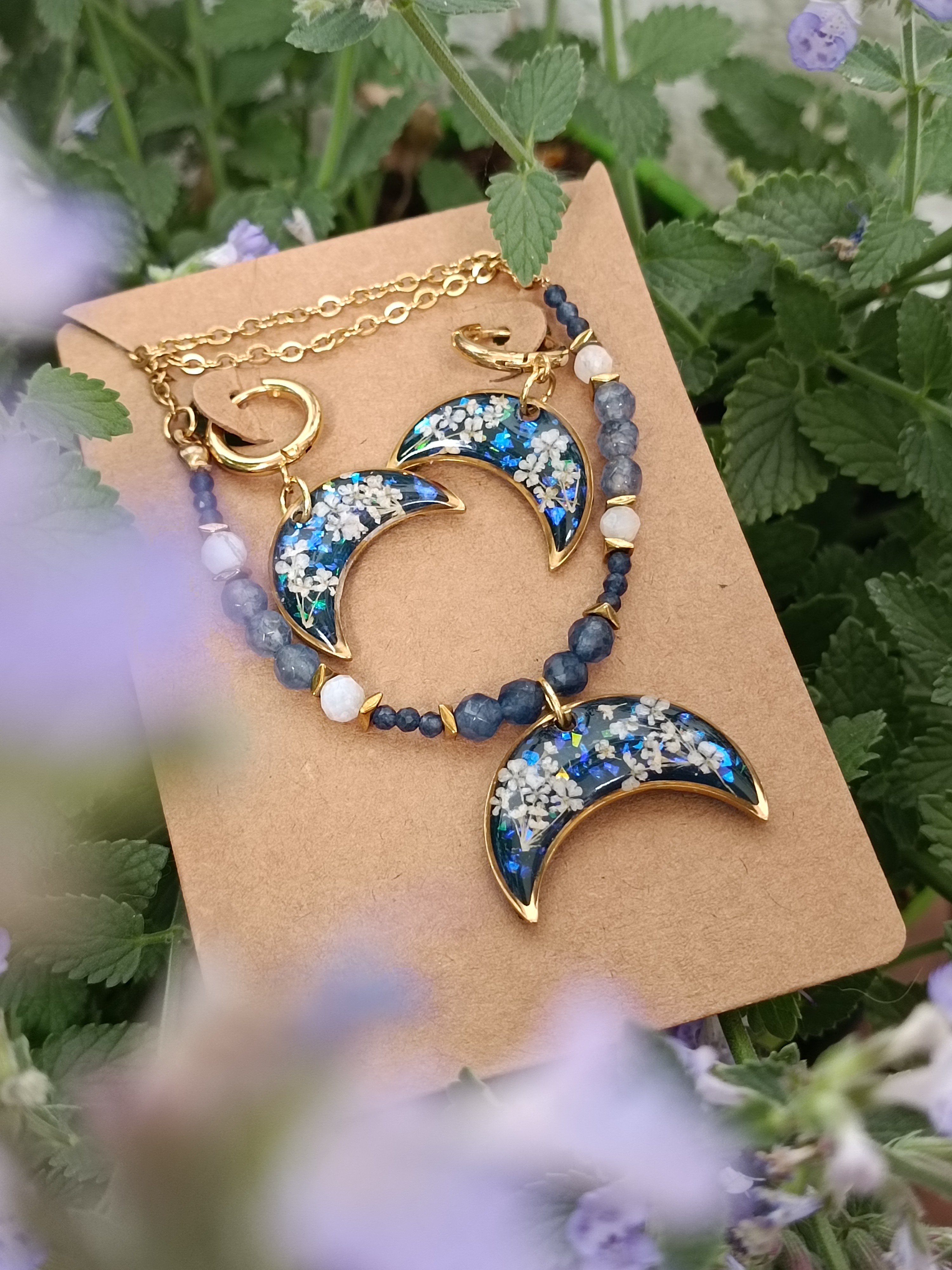
Lunula with Wild Carrot Flower
zł88.00
02.09.2025
Lunulas in the World of the Ancient Slavs
For the ancient Slavs, the moon was one of the most important elements of nature – its light illuminated the nights, indicated the rhythm of nature, and reminded them of the cyclical nature of life. It was believed that its power affected not only the earth and water, but also the female body and soul.
Slavic women wore lunulas as protective talismans. They were most often made of bronze, silver, or iron and hung on leather straps or metal chains. They were simple and modest, but often decorated with plant patterns, star symbols, or signs associated with the cult of the moon.
Archaeologists have found lunulas in the graves of Slavic women, confirming that the amulet held significance not only in everyday life but also in beliefs about the passage to the other world. The lunula was also believed to protect "the other side," ensuring the protection of goddesses and eternal harmony.
Goddesses and the Lunula
In Slavic mythology, the crescent moon was associated with female deities associated with fertility, water, and magic. It was believed that the lunula invoked the protection of Mokosh, the goddess of the earth, harvest, and mothers, and also alluded to the power of Artemis and Diana, known from Greco-Roman beliefs, which also permeated folk traditions.
The lunula symbolized a woman's connection with divine, natural energy. It was like an invisible shield that gave strength, protected against misfortune, and emphasized a woman's unique role in the world.
Lunula in Slavic Tradition
The name "lunula" comes from the Latin luna, meaning moon. For the Slavs, the moon was a symbol of mystery, the cyclical nature of life, and feminine power. Wearing a lunula was believed to:
* Protect against evil forces and the "evil eye"—the crescent moon was said to deflect negative energy and ensure peace of mind.
* Intuition and wisdom - By wearing a lunula, a woman strengthened her spirituality, inner peace, and ability to make good decisions.
* Fertility and the life cycle - the phases of the moon corresponded to women's cycles, so the lunula symbolized rebirth, fertility, and harmony.
* Femininity and beauty - the lunula reminded us that a woman's true strength lies in her delicacy, sensitivity, and connection with nature.
Archaeologists have found lunulas in graves from the early Middle Ages, especially in what is now Poland, Ukraine, and the Czech Republic. They were most often made of bronze or silver, but some were also adorned with stones or other symbols.
The lunula as a female amulet
In folk culture, the lunula held exceptional significance. It was not just an ordinary ornament – it was a kind of "talisman" emphasizing a woman's connection to nature, intuition, and spirituality. The crescent moon was meant to remind us of life's vicissitudes, but also of the possibility of rebirth and new beginnings—just as the moon is reborn with each cycle. The lunula was worn as an amulet, most often as a pendant around the heart. It was often passed down from generation to generation, and its purpose was to protect and support women in their daily lives.
Lunula in Modern Jewelry
Today, the lunula is making a comeback as a piece of jewelry inspired by tradition and spirituality. It is not only a beautiful accessory but also a symbol of feminine strength, inner harmony, and intuition.
In my studio, I create handmade lunulas with embedded flowers and natural stones. Each one is unique—just like the woman who wears it. By wearing it, you can feel part of this extraordinary story—the story of women who have drawn strength from nature and the moon for centuries.
Related products